














 Spanish News Today
 Alicante Today
 Andalucia Today


Murcia's coastline is back in the news for environmental issues, but this time it's not the Mar Menor, it's the Mediterranean coast. The Region of Murcia is being closely monitored due to the presence of potentially toxic microalgae, although researchers stress that there is currently no immediate risk to public health and no toxins have been detected in fish.
The Mediterranean off the Murcian coast has been changing in recent years. Sea temperatures are rising, marine life is changing, and species that weren't usually seen here are starting to appear. Because of this, scientists are now keeping a closer eye on the waters. Attention is now turning to microscopic organisms that are invisible to most beachgoers, but which can disrupt the marine balance and, in some cases, pose health risks, such as benthic microalgae with potential toxicity.
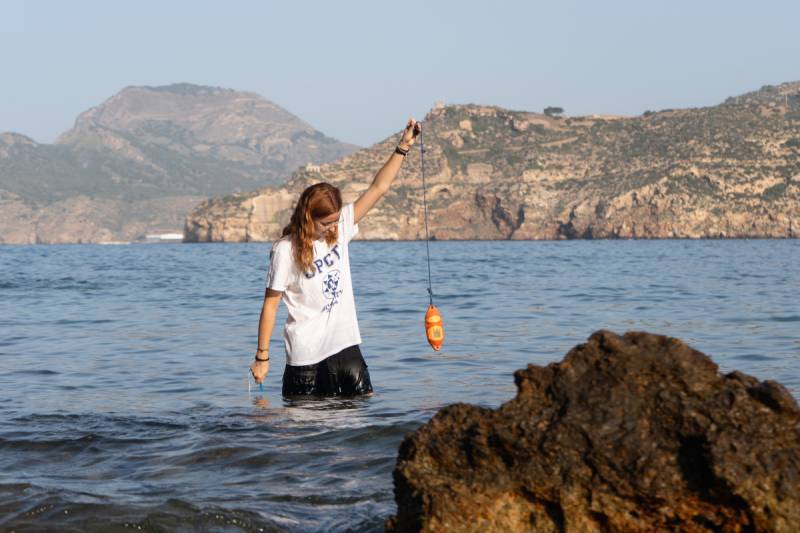
The Polytechnic University of Cartagena (UPCT) has been studying these species for two years along the coasts of Murcia and Almería. The findings have led to an extension of the research into 2026, with further analysis and more detailed monitoring of how these populations evolve in the southeast of Spain. It has confirmed the presence of microalgae from the genera Ostreopsis and Gambierdiscus at various points along the Mediterranean coastline.
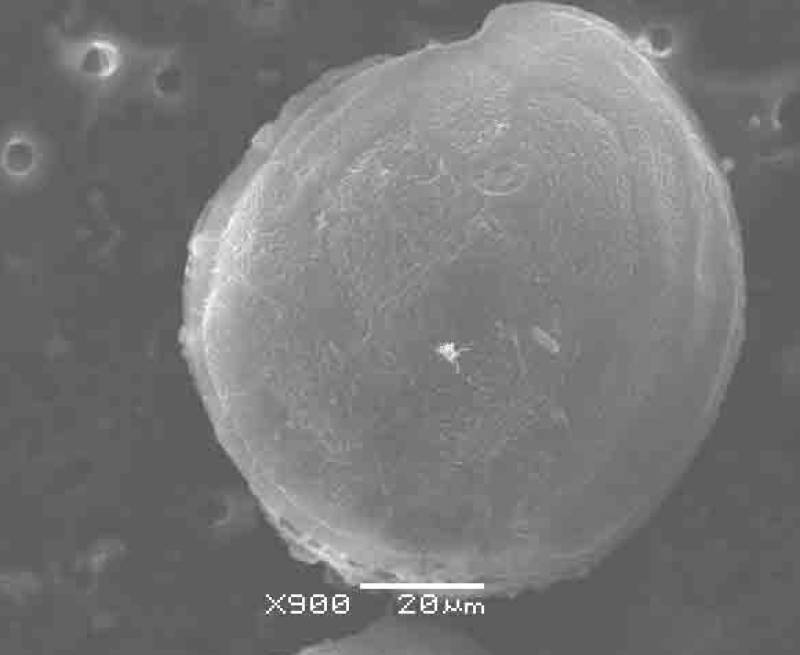 Researchers have recorded particularly high concentrations of Ostreopsis, a benthic microalga that attaches itself to rocks and seaweed and tends to proliferate in shallow waters during the warmest months of the year. In some sampled areas, levels have reached up to half a million cells per gram of macroalgae.
Experts say this species has been present in the Mediterranean for decades, but it is now being monitored more closely as blooms become more common. It is closely linked to summer and higher temperatures. When levels are high, it can spread through the water and affect swimmers through sea spray or direct contact.
Associated symptoms are generally mild and temporary, including skin irritation, coughing, fever, or minor respiratory discomfort. Countries such as France and Italy, as well as regions like Catalonia, already operate summer monitoring programmes and have occasionally restricted bathing in affected areas when necessary.
In the Region of Murcia, higher concentrations of Ostreopsis have been detected in the southern coastal areas, as well as in northern Almería. However, researchers emphasise that the species is present throughout much of the Mediterranean.
Greater concern within the project, however, focuses on Gambierdiscus, another benthic dinoflagellate traditionally associated with tropical and subtropical waters. Some strains of this microalga can produce toxins that accumulate in fish and potentially cause food poisoning in humans.
The research team has confirmed the presence of Gambierdiscus in specific areas of the Murcian coastline, particularly La Azohía and the Cabo Tiñoso Marine Reserve. It has also been recently detected in other Mediterranean locations, including the Balearic Islands, Greece, and Dénia.
Despite this, scientists urge caution. They say concentrations are still very low and no toxins have been detected in fish yet. So far, no cases of food poisoning linked to this microalga have been recorded in Spain.
The renewed Levabentox project will increase monitoring and look at the environmental factors that may influence how these species spread, including wave patterns, sea currents and water temperature. It will also include testing fish for toxins and using genetic methods to identify the species more accurately.
Experts stress that the presence of these microalgae does not pose an immediate risk to swimmers or to fish consumption in the Region of Murcia, and there is no evidence of any impact on the fishing industry. Ongoing monitoring is intended to reduce uncertainty and make sure early warning systems are in place if any future environmental or health risks appear.
Read also: Environmental groups raise the alarm over growing plastic pollution on Mar Menor beaches
Image 1: UPCT
Image 2: National Centers for Coastal Ocean Science
OR
Sign up for the Spanish News Today Editors Roundup Weekly Bulletin to get a comprehensive email with all the week’s news for Spain, Murcia, Alicante and Andalucía.
Get a sneak peek – here are a few of our recent Subscription Bulletins:
Discount Special Offer subscription:
36.95€ for 48 Editor’s Weekly News Roundup bulletins!
Please CLICK THE BUTTON to subscribe.